APPLIED NEUROLOGY · BRAIN-BASED EXERCISE

Retrain your brain.
Relieve your pain.

When Chiropractic, PT, or Massage hasn't fixed your pain, the problem is the signal. Retrain the brain-body connection to relieve low back, hip, and knee pain in 10-15 minutes a day. No equipment. No surgery. No medications.

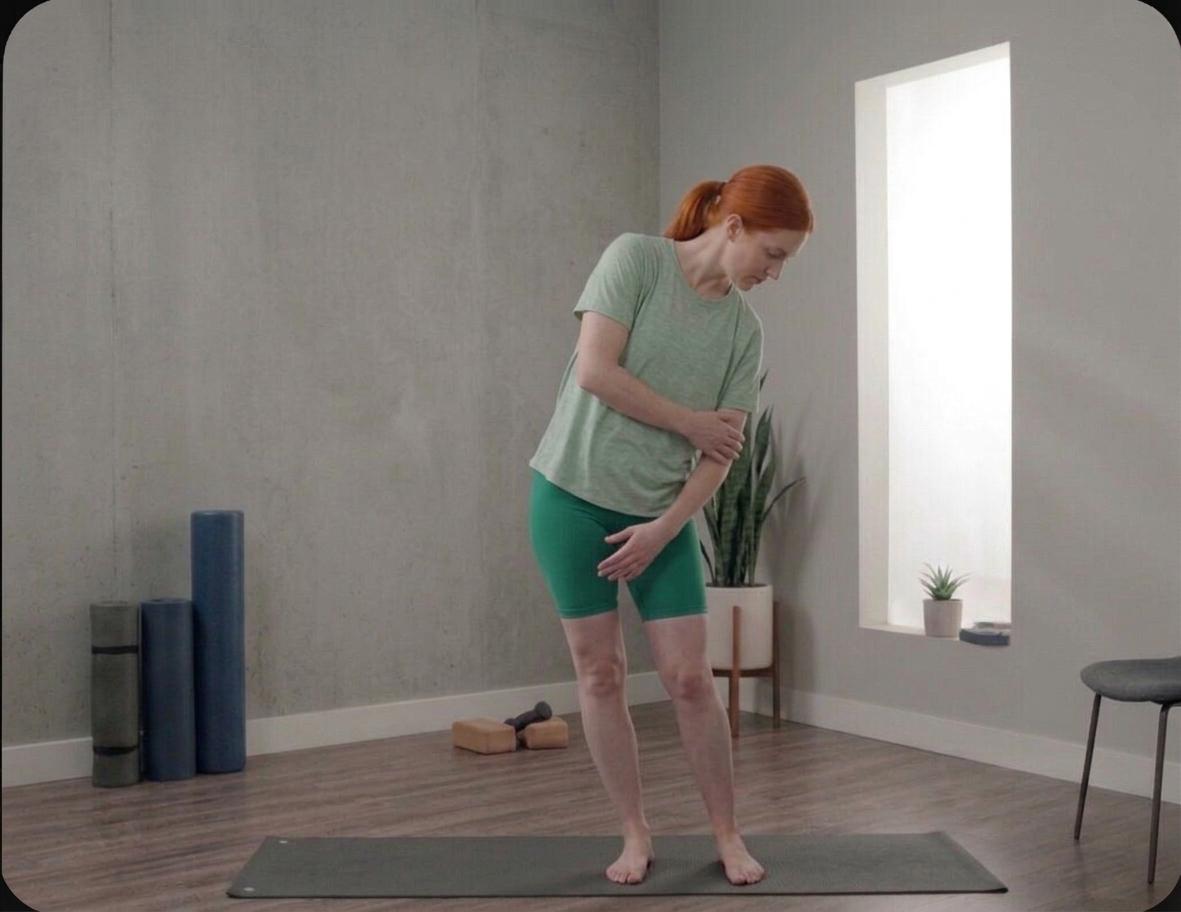
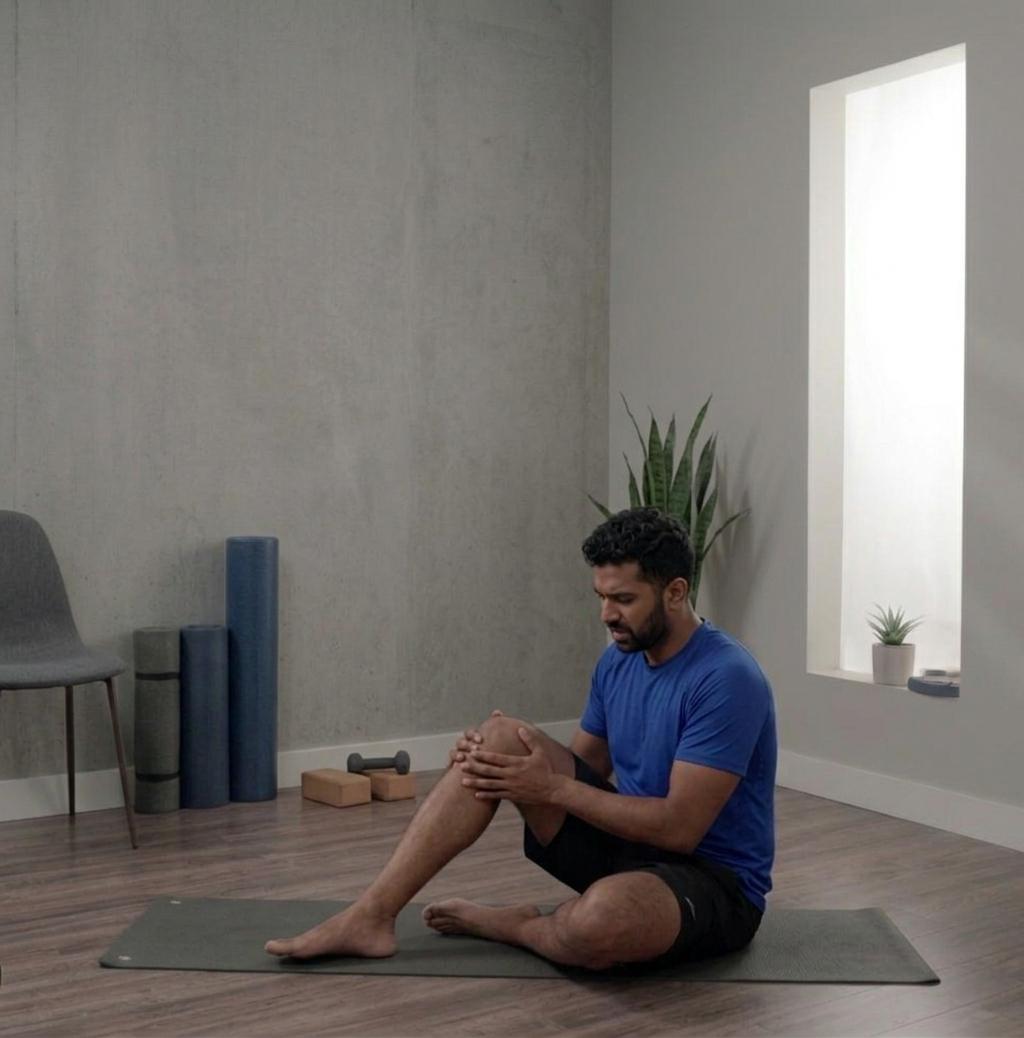
Applied neurology drill demo
WHY IT WORKS

What is applied neurology?

Chronic pain often persists because the nervous system stays locked in a protective, high-alert state, one that keeps you in pain and limits your mobility. Applied neurology brain-based drills to recalibrate that signal, reducing the brain's perceived threat and, with it, the pain.
3
Programs
Low back, hip & knee pain. *more coming soon
10-15
Minutes a day
No equipment beyond a chair and wall
0
Pills or surgery
A non-invasive, drug-free protocol
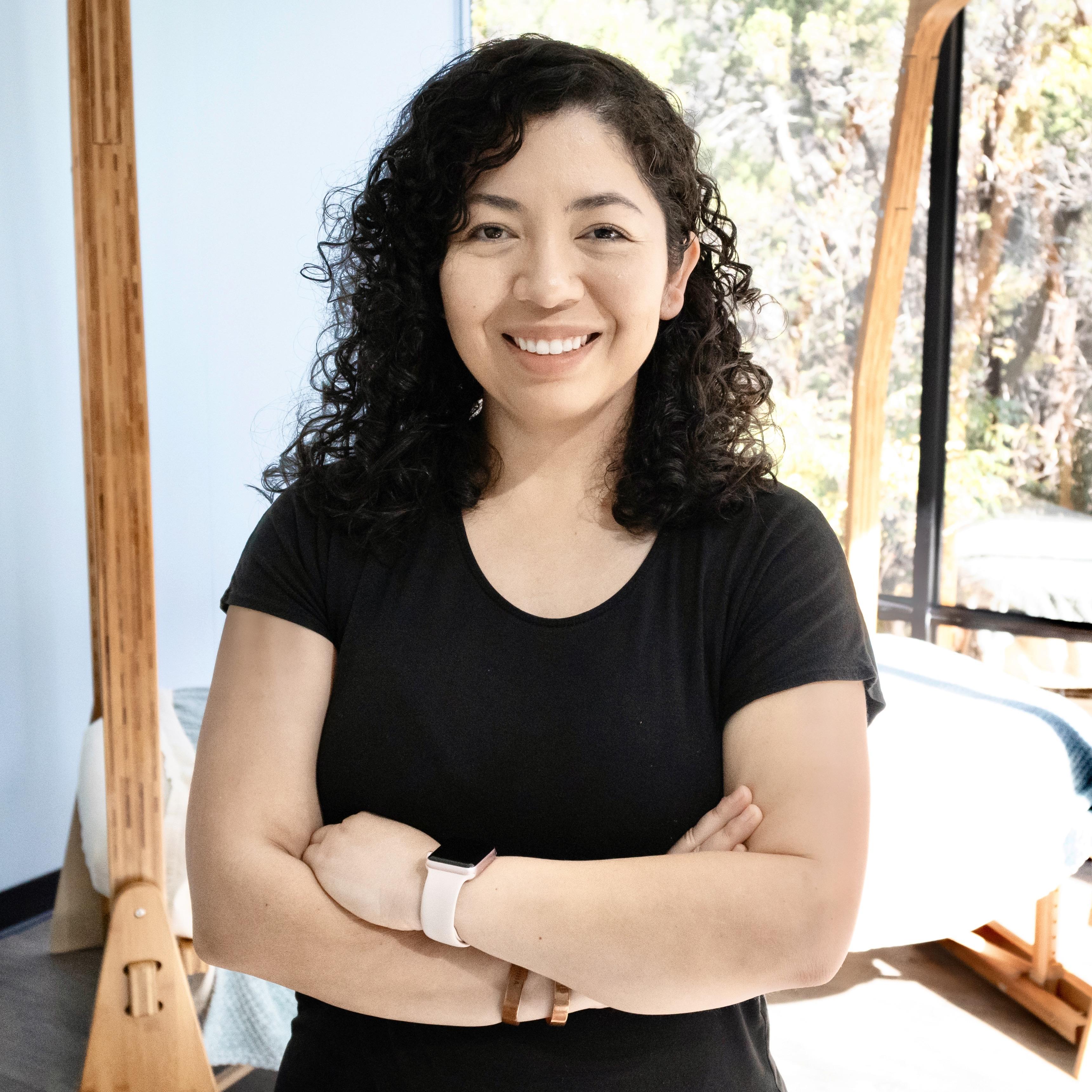
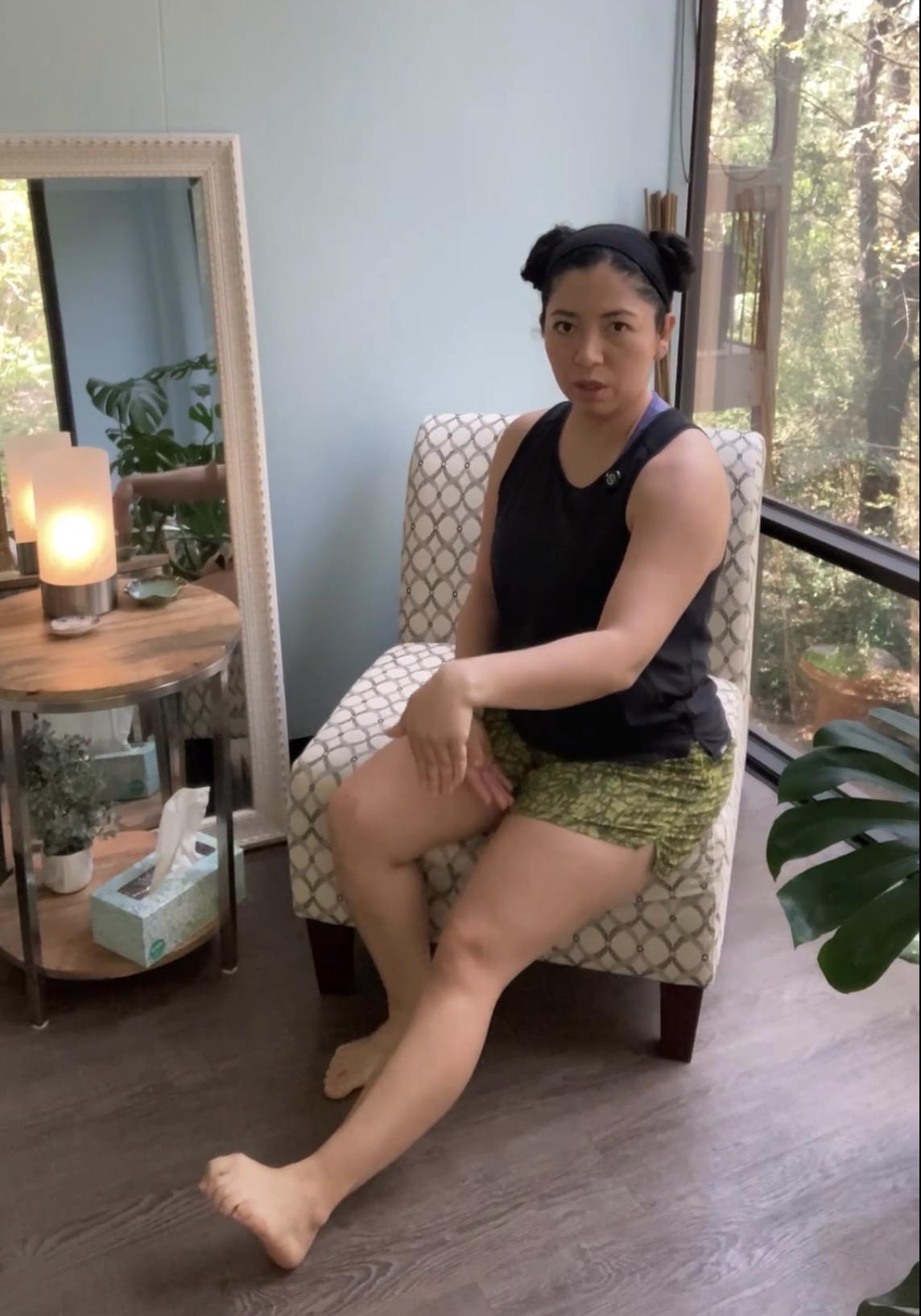
Lakshmi, Applied Neurology Coach
APPLIED NEUROLOGY · BRAIN-BASED EXERCISE

Hey, I'm Lakshmi!

Your Applied Neurology Coach

My specialty is retraining the brain-body signal to relieve chronic low back, hip, and knee pain… without surgery or medication.


Most people come to me after chiropractic, PT, or massage hasn't fixed the pain. That's not a failure on their part. It usually means the problem was never the muscle or the joint. It's the signal.

You'll see that we approach pain differently here. Instead of chasing the site of the pain, we recalibrate the nervous system that's driving it. I spend my days coaching people through brain-based drills that reduce the threat response keeping their body locked in guarding mode.

The result? Pain relief that holds, because you fixed the signal, not just the symptom.

No, it's not too good to be true.

I'll show you exactly how this method works: 10-15 minutes a day, no equipment, no guesswork. I built this because I want you to stop struggling with no results.

PROGRAMS

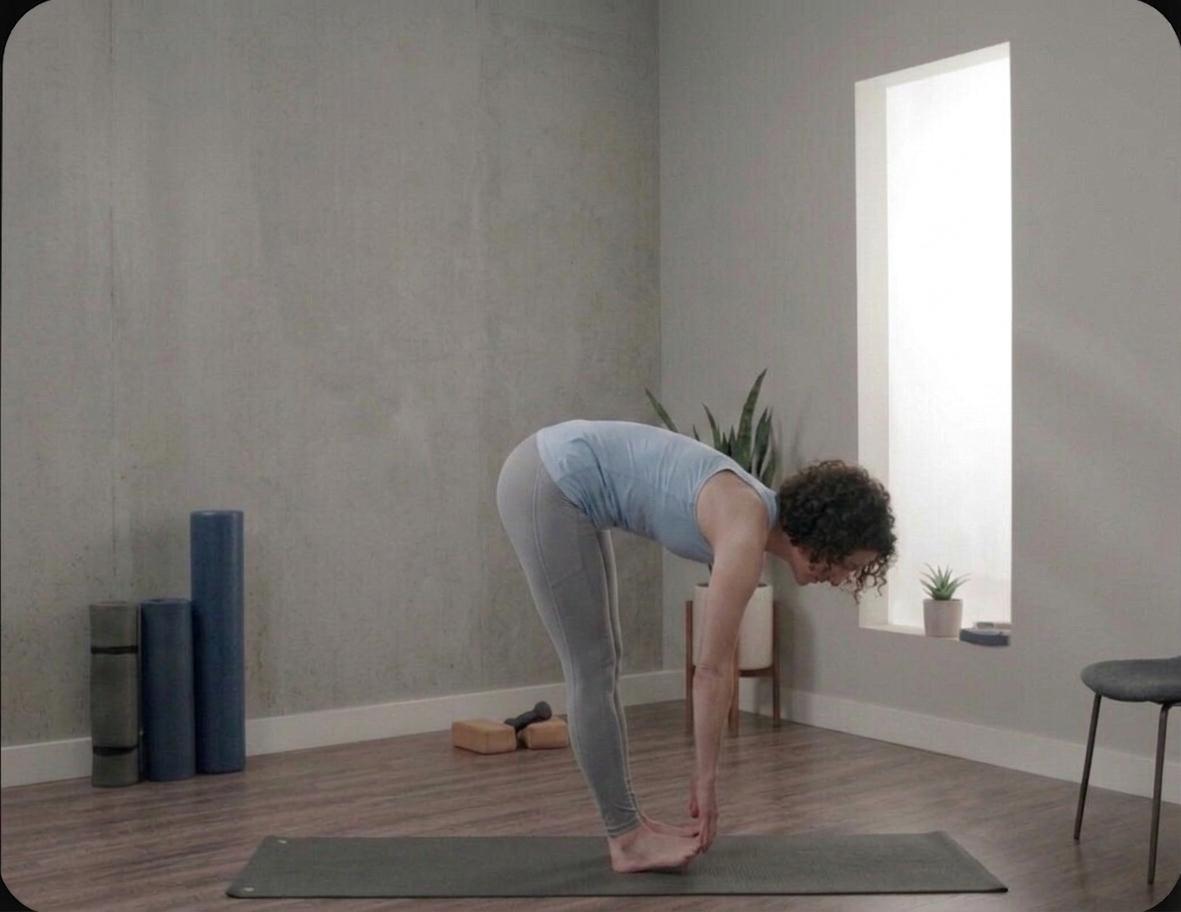
Three protocols, one method

Pick the program that matches where your pain lives. If you have pain in another area, choose the option to work with me directly below and together we can create a custom program for your specific needs.
APPLIED NEUROLOGY · 1:1 COACHING

Work with me directly.

Working with me directly is for the person who wants a faster path: someone assessing your specific pattern, adjusting the protocol in real time, and holding you accountable to it.

If you've tried the generic advice and it hasn't held, this is the difference between doing drills and doing the right drills, in the right order, for your nervous system.

Spots are limited. I take on a small number of 1:1 clients at a time so every session gets my full attention.

Apply to Work Together
Lakshmi, Applied Neurology Coach
theNeuroMapping App

Can't work with me directly? theNeuroMapping App is the next best thing.

1:1 coaching gets you my eyes on your specific pattern in real time. The app gets you the same underlying method, starting with an in-depth intake that maps where your nervous system is actually holding the problem, not just where it hurts.

From there, it points you at the brain areas that will move the needle first.

Why this matters: pain and movement are organized in a hierarchy inside the brain. Work higher up that hierarchy, and the payoff compounds: faster relief, and results that hold instead of fading in a few weeks.

The app is built to find that highest-leverage entry point for you, then guide you through it, one drill at a time.

Get the App
Be first in line when the app opens. No spam, just a heads up when your spot is ready.
theNeuroMapping App

"Six weeks into Low Back Reset, I bent down to tie my shoes without thinking about it for the first time in years."

— Janet K., Low Back Reset
APPLIED NEUROLOGY · FAQ

Frequently asked questions

Getting started
Do I need any equipment?
No. Most drills only require a chair and a clear wall. Everything is demonstrated in-app.
How is this different from physical therapy?
PT typically targets muscles and joints directly. Applied neurology targets the nervous system's threat response. The two approaches work well together.
What does a typical drill actually look like?
Not like a regular exercise. A lot of the highest-payoff drills are eye movements. You may not touch or even move the area that's in pain at all.
Safety and eligibility
Is this safe if I have a herniated disc, arthritis, or a prior surgery?
Applied neurology is generally safe. As with any new approach, it's always best to have already consulted your medical professional, especially with an existing diagnosis or surgical history.
Can I do this alongside physical therapy, chiropractic, or massage?
Yes. Brain-based drills can resolve an issue on their own, but they're also a great complementary practice alongside PT, chiropractic, massage, and orthopedic care. Many people find it helps reduce their reliance on medication as well.
Is there an age limit?
No. My youngest clients are 16, my oldest is 83.
Can I do this if I'm currently in a flare-up or dealing with acute pain?
We never move into pain. What makes applied neurology different is that many drills don't require moving or even touching the area that hurts. Vision drills in particular are often the biggest payoff, and you can move your eyes without aggravating pain elsewhere.
Results and timeline
How soon will I notice a difference?
It depends on the pain, how long you've had it, and a few other factors. Some people feel relief in as little as 2 minutes. Others need to build a routine and practice a few times a day for a couple of weeks before it holds. Either way, if your pain drops from a 10 to an 8, a 6, or a 2, that's less medication, less avoiding activities, and less chance you're considering surgery. That's worth it.
Will the pain come back if I stop doing the drills?
It depends on what's driving the pain. If something in your daily life keeps re-triggering it (your mattress, your desk setup, a repetitive movement pattern) stopping the drills can let the pain creep back. Think of neuro drilling like brushing your teeth, exercising, or eating well — it works because you keep doing it. The good news is the dose usually goes down over time. If your pain is noticeable, you might drill 3 times a day for 3 to 4 days, then taper to 2 or even 1. If it's louder and more persistent, you might need up to 5 times a day at first. Each session is only 3 to 5 minutes.
How it compares
I've tried a lot of things already. Why would this work when nothing else has?
Most pain relief approaches treat the site of the pain. That can work, and sometimes it does, but if the real issue is upstream, the pain often comes back within a short period of time. Think of it like a lamp that's gone off in your living room — you can keep changing the bulb, but if a breaker tripped in the basement, the lamp is just where the symptom shows up. Applied neurology works on the neural hierarchy the same way: instead of managing the symptom at the site, we reset the signal upstream so it stops causing problems downstream.
Do I need a diagnosis first?
Consulting a medical professional is always wise and encouraged. Applied neurology follows a simple rule: never move into pain, and always assess before and after each drill to make sure nothing is being aggravated.
Is this just a stretching app?
No. Stretching can actually signal threat to the brain, and “no pain, no gain” is the wrong mindset for how the nervous system works. The brain is looking for safety, not intensity — that's what these drills are built around. Stretching can sometimes make things worse, and it usually takes a lot more time than a drill does.
Is there research behind this?
Yes, there's a substantial and growing body of research behind applied neurology. You can view the studies and sources here.
Logistics
Is this covered by insurance or FSA/HSA?
It may be. I don't handle insurance or FSA/HSA claims directly, but I can provide a receipt you can submit for reimbursement.